
As the last minutes of December tick away, Russian streets sparkle with lights, families gather around tables laden with festive dishes, and children await the arrival of Ded Moroz with excitement. Russian New Year’s Eve is a night of magic, tradition, and celebration that marks the turning of the year with warmth, family, and timeless rituals. From the sparkling lights of Moscow to the cozy kitchens of small towns, Russians ring in the New Year with joy, laughter, and rituals that have been passed down through generations.
If you’ve ever wondered why New Year’s Eve is Russia’s most celebrated holiday, it’s because it blends cultural heritage, family bonding, and a touch of magic all in one unforgettable night.
A Brief History of Russian New Year Celebrations
The Russian New Year has roots stretching back centuries, evolving through shifts in calendars and cultural influences. Originally, Russia celebrated the New Year according to the Julian calendar, with festivities beginning in early September. However, in 1700, Tsar Peter the Great officially moved the New Year to January 1, aligning it with Western Europe.
Over time, the holiday became deeply embedded in Russian culture, combining pre-Christian traditions, Orthodox customs, and festive practices that emphasized family, community, and hope for the year ahead.
While New Year’s Eve on December 31 is the most widely celebrated, Russia also observes the Orthodox New Year on January 14, following the Julian calendar. This “Old New Year” is a quieter, more traditional celebration, often marked by church services, modest family gatherings, and reflection.
In contrast, the main New Year’s Eve is a vibrant and elaborate celebration. Streets and homes are adorned with decorations, sparkling lights, and fir trees, while families prepare lavish feasts and toast the coming year with champagne. Both celebrations honor the passing of time, but it’s December 31 that captures the public imagination and earns the title of Russia’s biggest holiday.
The Ded Moroz Tradition
No Russian New Year is complete without Ded Moroz, or “Grandfather Frost,” the country’s version of Santa Claus. Ded Moroz brings gifts to children, often accompanied by his granddaughter, Snegurochka, the Snow Maiden. Families place stockings or gifts near the New Year tree, much like Western Christmas traditions, and children eagerly await the arrival of these beloved characters.
This tradition highlights the familial and community spirit of the holiday. Ded Moroz isn’t just a gift-bringer; he symbolizes generosity, kindness, and the enchantment of the New Year, making the celebration feel both magical and deeply personal.
Family Feasts and Festive Meals
Central to Russian New Year celebrations is the family feast, which often rivals holiday dinners in size and variety. Tables are loaded with traditional dishes such as Olivye salad (a hearty potato and vegetable salad), pickled vegetables, herring under a fur coat (Shuba), and baked pastries. For the main course, many families enjoy roasted meats, fish, or Golubtsy (cabbage rolls).
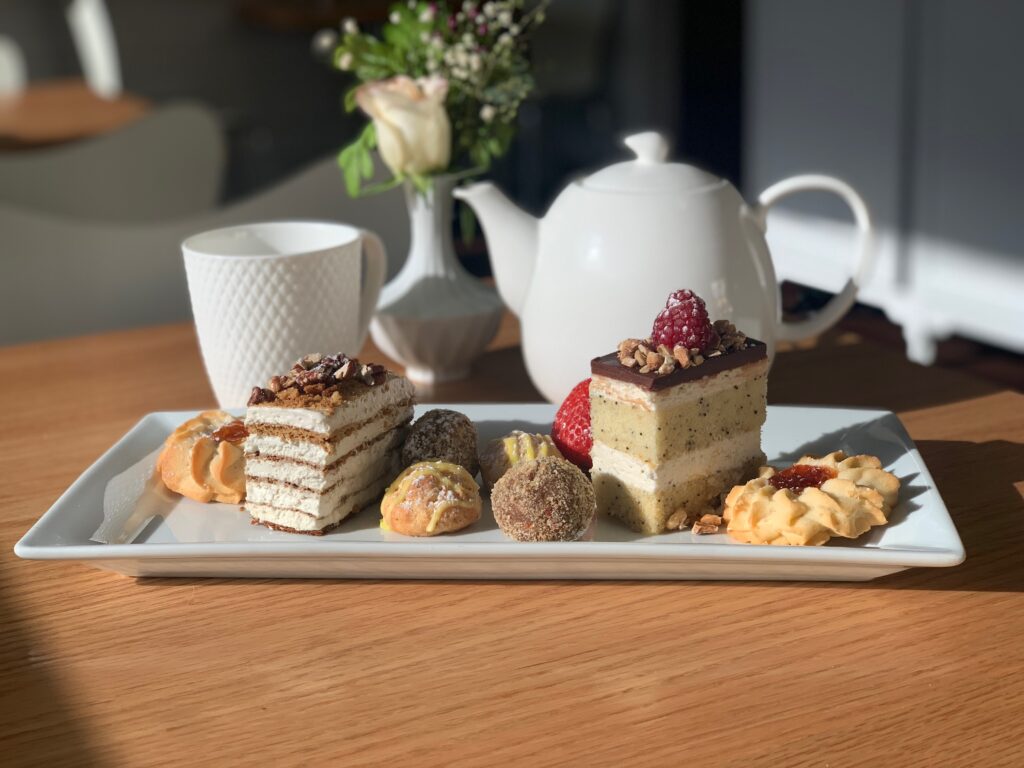
Desserts are equally important, with honey cake, pavlova, and other sweets rounding out the festive table. Meals are prepared with care, often involving multiple generations in the kitchen, reinforcing the sense of family unity and shared celebration.
As the clock approaches midnight, Russian families gather to raise their glasses. The champagne toast is a cherished ritual, symbolizing hope, happiness, and prosperity for the coming year. Many also include a brief reflection on the year past, making resolutions, and sharing heartfelt wishes with loved ones. Fireworks, laughter, and music often accompany the toast, filling homes and neighborhoods with joy.
For Russians, the midnight moment is about connection, gratitude, and optimism, a shared experience that transcends generations.
Decorations, Trees, and New Year Magic
Just like in Western traditions, decorating the New Year tree is a central part of Russian festivities. Fir trees are adorned with ornaments, tinsel, and lights, creating a festive atmosphere in homes and public squares alike. The tree isn’t merely decorative; it’s a symbol of renewal, hope, and the promise of good fortune in the coming year.
Children hang ornaments and sometimes hand-crafted decorations on the tree, adding a personal touch to the celebration. The combination of family participation, festive décor, and Ded Moroz’s magic makes Russian New Year celebrations uniquely vibrant and memorable.
Why New Year’s Eve Is Russia’s Biggest Holiday
Unlike Western countries where Christmas dominates, in Russia, New Year’s Eve holds the top spot. Several factors contribute to this:
- Family-Centric: New Year is about gathering loved ones around the table, sharing meals, and making memories.
- Cultural Tradition: From Ded Moroz to festive decorations, rituals are rooted in history and widely observed.
- National Holiday: Schools, businesses, and public offices close, allowing people of all ages to participate fully.
- Universal Joy: The combination of feasting, gift-giving, and festive cheer ensures that everyone—children, adults, and elders—feels included.
This celebration blends public festivity with private reflection, creating an experience that’s both communal and deeply personal.
Experience Russian New Year Traditions at Alyonka
At Alyonka Russian Cuisine, we carry the spirit of Russian New Year year-round, bringing authentic flavors, family-style feasts, and a welcoming atmosphere to Boise. Our dishes, from Pelmeni dumplings to Beef Stroganoff, capture the warmth and tradition of Russian home cooking.
Whether you’re planning a festive night out or a special dinner with loved ones, Alyonka invites you to experience Russian New Year traditions in the heart of Boise.
You can also follow our celebrations, special events, and festive dishes on Instagram to see how we embrace the spirit of Russian holidays.
Celebrate with Food, Family, and Tradition
Russian New Year is a celebration of life, family, and culture. From the history of Ded Moroz to the family feasts, midnight champagne, and sparkling decorations, the holiday encapsulates everything Russians cherish: warmth, togetherness, and hope for a bright future.
At Alyonka, we honor these traditions by sharing authentic dishes, thoughtful service, and the joy of Russian hospitality. Whether you’re exploring Russian cuisine for the first time or revisiting cherished flavors, we invite you to join us in celebrating the spirit of New Year, the Russian way.