
When we say ‘Russian culinary traditions’ what do you think of? Maybe hearty comfort food, colorful nesting dolls, and vodka?
Sure, you’ll find all those things in Russia. But there is much more to Russian culture than stereotypes. And when you dig in and look at how Russian culture has impacted food – you’re in for a (delicious) treat!
As the only Russian fine-dining restaurant in the Treasure Valley, Alyonka Russian Cuisine wants to share our culture guide with visitors and Boise natives alike!
Hearty Comfort Food with Balance
One of the most common associations with Russian cuisine is hearty comfort food. Yes, there are rich sauces, slow-cooked meats, and satisfying soups. But authentic Russian dishes are also deeply balanced.
Russian cooking developed in a cold climate, which meant meals needed to nourish and sustain. Dishes like beef stroganoff, borscht, pelmeni (dumplings), and cabbage rolls reflect that history. However, these meals are not just “heavy.” They are layered with fresh herbs, vegetables, and bright elements like sour cream or pickled sides that create contrast.
For Boise diners trying Russian food for the first time, expect:
- Tender, slow-cooked meats
- Savory mushroom sauces
- Fresh dill and parsley
- Beet-based soups with depth and brightness
- Handcrafted pastries and breads
- Lots of delicious sour cream on the side
Think of it as refined comfort food.
Hospitality Is Central to the Experience
Food in Russian culture is inseparable from hospitality.
Inviting someone to your table is considered an act of generosity and warmth. Meals are often served in courses, with multiple dishes placed out for sharing. It is common to linger at the table, talk, and refill plates.
This tradition of abundance carries into Russian restaurants. You may notice generous portions, shareable appetizers, and desserts meant to be enjoyed slowly.
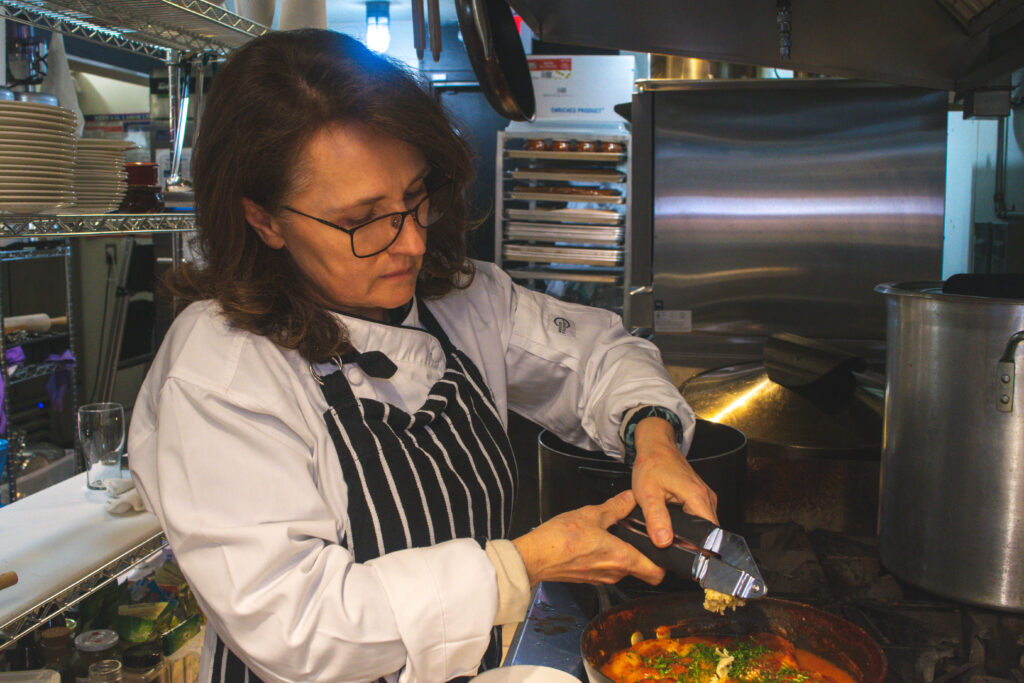
“I absolutely love to feed people… it brings me such joy…” – Elena DeYoung, Owner of Alyonka Russian Cuisine
That sentiment reflects something deeper than just serving food. In Russian culture, feeding someone well is a way of caring for them.
For Boise diners, this means you are not just ordering a dish; you are participating in a tradition centered on warmth and welcome.
Russian Holidays & Food Traditions
Food plays a powerful role in Russian holidays, particularly Orthodox Christmas and Orthodox Easter. These celebrations often include specific dishes that carry symbolic meaning.
For example:
- Kulich (a tall Easter bread) symbolizes celebration and renewal.
- Colored eggs are traditional for Easter.
- Rich meat and dairy dishes appear after fasting periods.
Even outside of holiday seasons, many traditional dishes originated as celebratory foods. That is part of why they feel festive and special.
Boise diners exploring Russian cuisine may find that certain menu items feel particularly celebratory: intricate pastries, slow-roasted meats, and desserts topped with fresh fruit.
Matryoshka Dolls & Cultural Symbols
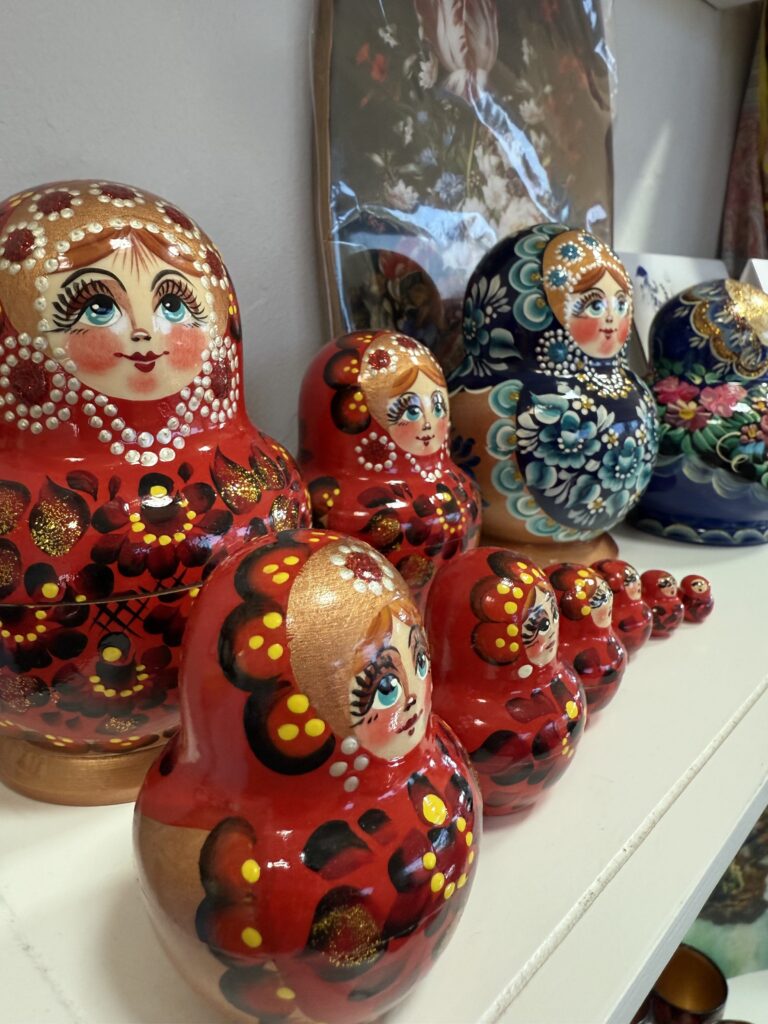
When people think of Russia, they often picture matryoshka dolls. You know, the colorful wooden nesting dolls stacked inside one another? While these are decorative symbols rather than culinary ones, they represent something meaningful: layers.
Russian food is layered too.
Layered salads like Shuba “herring under a fur coat” (a beet and fish salad), multi-layered honey cake (medovik), and filled blini (thin crepes) all reflect that visual and textural layering. The presentation often tells a story before the first bite.
For first-time diners, this means Russian cuisine is visually engaging as well as flavorful. Bright reds from beets, golden pastries, creamy whites from sour cream; the plates are vibrant and inviting.
What Russian Food Actually Tastes Like
Here is what to expect:
🪆Savory and balanced.
🪆Not overly spicy, but deeply flavorful.
🪆Fresh herbs like dill are common.
🪆Sour cream is used to add tang and richness.
🪆Pickled vegetables provide contrast.
Russian cuisine is not about heat but rather about harmony. Creamy sauces are paired with fresh herbs, while rich meats are served with bright sides. We serve two kinds of velvety dumplings and guests get to choose between broth or sour cream. And our desserts are perfectly balanced (you gotta try that honey cake)
For diners who love European cuisine but want something slightly different from Italian or French, Russian food offers a satisfying middle ground, comforting yet distinctive.
What to Try First
If you are new to Russian cuisine, here are a few approachable starting points:
Beef Stroganoff – Tender beef in a creamy mushroom sauce, served with rice, buckwheat, or noodles.
Blini – Thin crepes filled with savory or sweet ingredients.
Pelmeni – Russian dumplings served with butter or sour cream.
Borscht – A vibrant beet soup often topped with sour cream.
Pirozhki – Handheld pastries filled with meat, cabbage, or potato.
These dishes introduce you to the range of textures and flavors without feeling overwhelming
A Welcoming Invitation
Exploring a new cuisine and culture can feel intimidating, but Russian food is deeply approachable. Its flavors are familiar enough to feel comforting, yet distinct enough to feel special.
If you are curious, start with a classic dish. And of course, ask our wonderful staff. We love recommending dishes and helping you find the perfect dish for you to start experiencing Russian culture.
After all… one of the best ways to understand a culture is simply to sit down and taste it.