
Soft, pillowy, and filled with flavor, vareniki dumplings are one of the most comforting dishes in Eastern European cuisine. Whether served savory or sweet, they reflect a tradition rooted in simplicity, seasonality, and shared meals.
For many, vareniki are more than just dumplings; they are a connection to home cooking, family gatherings, and recipes passed down through generations. If you were lucky enough to grow up with these delicious little treats – you’ll love to experience them at Alyonka Russian Cuisine. All the memories of childhood, combined with the scratch-made, award-winning cooking of Chef and Owner Elena DeYoung!
What Are Vareniki Dumplings?
Vareniki dumplings are made from a soft dough that is typically filled, folded, and then boiled until tender. They are known for their delicate texture and versatility, making them a staple across many Eastern European kitchens.
Unlike most dumplings that are primarily savory, vareniki can be both sweet and savory. This flexibility is part of what makes them so widely loved. They might be served as a main dish, a side, or even as a dessert, depending on the filling.
In many Russian households, making vareniki from scratch is a shared activity, with family members gathering to roll dough, add fillings, and shape each dumpling by hand.
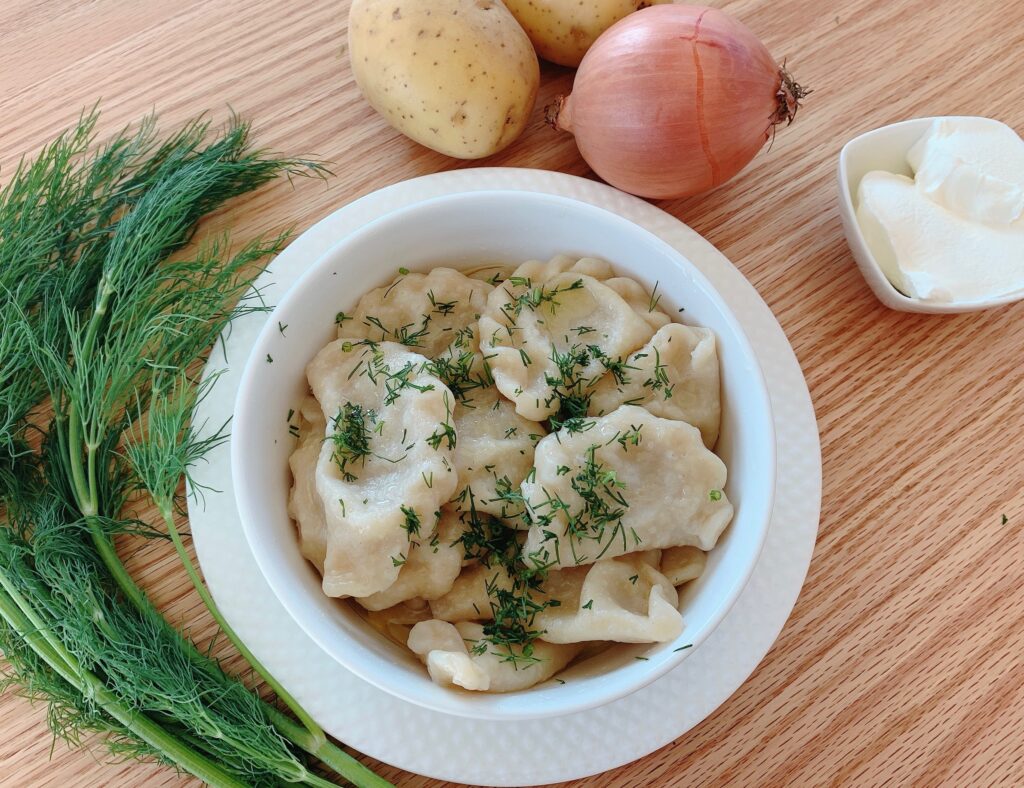
The Origins of Vareniki
The origins of vareniki dumplings are closely tied to Ukrainian culinary traditions, where the dish has long been considered a national favorite. Over time, vareniki spread across neighboring regions, becoming a familiar and beloved dish in Russian and broader Eastern European cuisine.
Historically, vareniki dumplings were made using ingredients that were readily available: flour, potatoes, cheese, and seasonal fruits. This made them both practical and adaptable, especially in rural areas where homegrown ingredients played a central role in daily cooking.
The dish evolved alongside the seasons, with different fillings reflecting what was fresh and abundant at the time.
Ukrainian Influence on Vareniki
Ukrainian culture has played a significant role in shaping vareniki dumplings as we know them today.
In Ukraine, vareniki are deeply tied to tradition and are often served during holidays, celebrations, and family gatherings. Recipes vary by region, but the emphasis remains on fresh ingredients and careful preparation.
Classic Ukrainian fillings include potato, farmer’s cheese, cabbage, and cherries. Each variation highlights the balance between simplicity and flavor that defines the dish.
This cultural influence continues to be felt in modern interpretations of vareniki, including those served at Alyonka, where traditional techniques are honored while maintaining a consistent, high-quality preparation.
What Typically Goes Inside Vareniki?
One of the most appealing aspects of vareniki dumplings is the wide range of fillings they can hold.
Savory versions often include ingredients like mashed potatoes, cheese, sautéed onions, or cabbage. These fillings create a rich, satisfying flavor that pairs well with toppings such as sour cream or fresh herbs.
Sweet vareniki offer a completely different experience. Filled with fruits like cherries, berries, or even sweetened cheese, they are often served with a light topping that enhances their natural sweetness.
This ability to shift between savory and sweet makes vareniki unique among dumplings and allows them to fit into many different meals.
How Vareniki Dumplings Differ from Polish Pierogi
Vareniki are often compared to Polish pierogi, and while the two dishes share similarities, there are a few key differences.
Pierogi tend to have a slightly thicker dough and are often more firmly structured. They are frequently pan-fried after boiling, giving them a crisp exterior. Vareniki, on the other hand, are typically softer and more delicate, with a lighter dough that emphasizes a tender bite.
Another distinction lies in their range of fillings. While both can include savory options like potatoes and cheese, vareniki are more commonly associated with sweet fillings as well. This broader variety gives vareniki a unique versatility.
The differences are subtle but noticeable, and they reflect the regional variations that make Eastern European cuisine so diverse. Across the world, dumplings take many forms, from Asian dumplings like gyoza and bao to Italian ravioli. Vareniki stands apart in a few important ways.
Their dough is softer and less elastic than many Asian dumplings, and they are almost always boiled rather than steamed or fried as a primary method. Compared to ravioli, vareniki are larger, simpler in structure, and less focused on sauces.
These dumplings are not meant to be elaborate or overly complex. Instead, they highlight the natural flavors of their ingredients and the care that goes into making them. This simplicity is part of what makes them so enduring.
How Elena Makes Her Version
At Alyonka Russian Cuisine, vareniki dumplings are prepared with attention to both tradition and consistency.
Elena’s approach focuses on creating a dough that is soft and tender while still holding its shape. The fillings are carefully seasoned to bring out their natural flavors without overwhelming the dish.
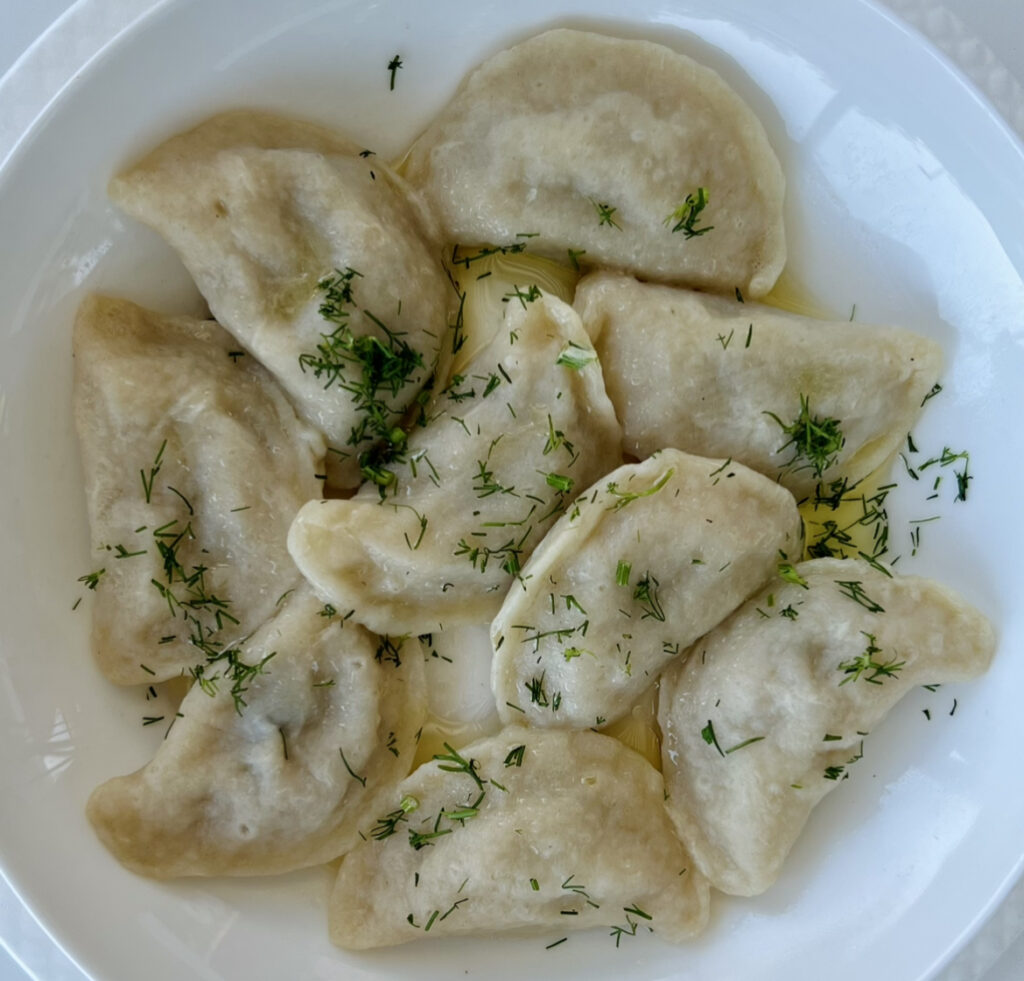
Each batch is made with the goal of delivering a balanced, comforting experience. The result is a dish that reflects the heart of vareniki while maintaining a standard of Eastern European comfort food that guests can rely on.
Vareniki dumplings have remained a staple for generations because they are both practical and meaningful.
They bring together simple ingredients, traditional techniques, and the shared experience of preparing and enjoying food. Whether served at a family table or in a restaurant setting, they carry a sense of comfort that is easy to recognize.
The process of making vareniki, rolling, filling, folding, creates moments of connection, much like the meals that follow.
Why Vareniki Continue to Be Loved
In today’s fast-paced world, dishes like vareniki offer something different. They encourage a slower approach to cooking and a deeper appreciation for tradition. Whether enjoyed savory or sweet, vareniki dumplings continue to represent the warmth and simplicity of Eastern European cuisine. And in that way, they remain not just a dish, but a tradition that continues to bring people together.