
Restaurant ownership is a wonderful career option – it’s a creative and fulfilling path filled with beautifully plated dishes, lively dining rooms, and happy guests. However, that is only part of the story.
The reality of restaurant ownership is more complex. It is shaped by long hours, constant decision-making, financial pressure, and a deep commitment to both craft and community. For entrepreneurs exploring restaurant ownership, understanding both the challenges and the joys is essential before stepping into this demanding but rewarding industry.
The Reality of Long Hours in Restaurant Ownership
One of the first lessons in restaurant ownership is that there is no typical workday.
Restaurant ownership requires early mornings, late nights, and a schedule that revolves around guests rather than convenience. Weekends, holidays, and evenings when most people are off work are often the busiest times. Even outside of service hours, restaurant ownership continues behind the scenes. There are schedules to finalize, inventory to manage, vendors to coordinate, and systems to improve.
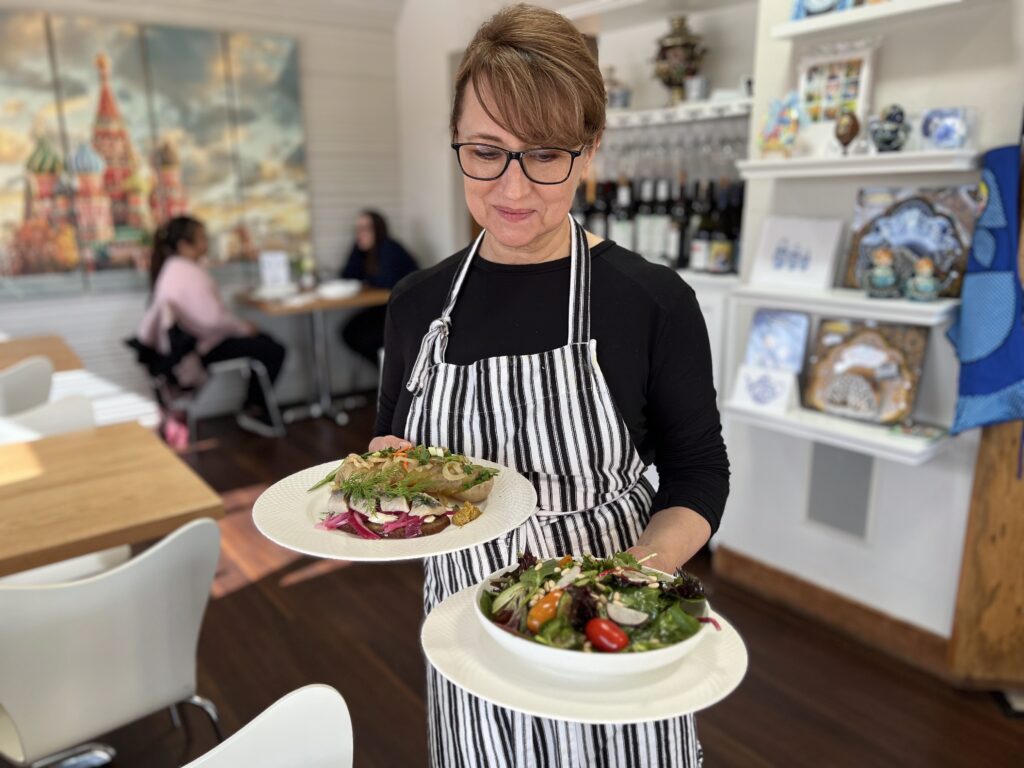
For many entrepreneurs, restaurant ownership becomes part of their identity. It is not something you clock in and out of. It is something you carry with you every day. For the first few years that Alyonka Russian Cuisine was open, when chef and owner Elena DeYoung wanted to take a vacation – she had to shut down the entire restaurant. It just couldn’t function without her.
Why Restaurant Ownership Comes with Financial Pressure
A common misconception about restaurant ownership is that a full dining room equals high profit.
In reality, restaurant ownership operates on narrow margins. Costs are constant and often unpredictable. Ingredients fluctuate in price, labor costs continue to rise, and overhead expenses like rent, utilities, and equipment maintenance never pause. Even small shifts can impact profitability. A slow week, an increase in supplier costs, or unexpected repairs can quickly affect the bottom line.
Successful restaurant ownership requires careful financial decision-making at every level. Menu pricing, portion sizes, staffing, and sourcing all play a role in maintaining sustainability.
This is why restaurant ownership demands both creativity and discipline. It is as much about managing numbers as it is about creating memorable meals.
The Joy at the Heart of Restaurant Ownership
Despite the pressures, restaurant ownership offers something uniquely rewarding.
At its core, restaurant ownership is about serving people. There is a distinct kind of satisfaction in watching guests enjoy a meal, celebrate milestones, or experience a cuisine for the first time. These moments are what draw many entrepreneurs to restaurant ownership in the first place.
Food creates connection. Restaurant ownership provides the space where those connections happen. For many owners, this is what makes the long hours and challenges worthwhile.
How Restaurant Ownership Begins with Listening
Behind every successful example of restaurant ownership is a story of paying attention and recognizing a need and responding to it.
For Elena, that journey began long before Alyonka opened its doors.
“I helped found the Russian Food Festival… it took off… It was here that I really learned how to develop flavor, cook for a crowd and hone the skills I would need to run a restaurant. Every year, I heard the same thing: ‘Why can we only find this food once a year? We want to eat it every day!” -Elena DeYoung, chef and owner
This moment highlights something essential about restaurant ownership.
It often starts with a gap, something people want but cannot easily access. Restaurant ownership becomes the answer to that demand. In this case, restaurant ownership was a way to bring traditional Russian cuisine into everyday life rather than limiting it to a once-a-year experience.
The Role of Restaurant Ownership in the Local Economy
Restaurant ownership plays a meaningful role in the health of a local economy. Each restaurant creates jobs, supports local suppliers, and contributes to the flow of activity within a community. From farmers and distributors to service staff and neighboring businesses, restaurant ownership creates a ripple effect.
When people support local restaurants, they are supporting an entire network.
Restaurant ownership also contributes to the identity of a place. Unique, locally owned restaurants add character and help shape how a community is experienced by both residents and visitors.
The Emotional Side of Restaurant Ownership
Restaurant ownership is not only operational and financial, but it is also deeply personal.
Every decision reflects the owner’s standards, values, and vision. Success feels rewarding, but challenges can feel equally personal. This emotional investment is part of what makes restaurant ownership both difficult and meaningful.
Resilience becomes essential. There will be setbacks, unexpected obstacles, and moments of uncertainty. The ability to adapt and continue forward is a defining trait of successful restaurant ownership.
Finding Sustainability in Restaurant Ownership
Given the demands, restaurant ownership is not the easiest entrepreneurial path. So why do so many people pursue it?
Restaurant ownership offers the opportunity to build something tangible. It allows entrepreneurs to create an experience that people can see, taste, and remember. It blends creativity with structure. It requires vision, but also execution.
For those passionate about food, culture, and connection, restaurant ownership provides a way to bring those elements together into something real and lasting.
Long-term success in restaurant ownership depends on balance, requiring strong systems, thoughtful planning, and a clear understanding of both the creative and financial sides of the business. It also requires building a reliable team and maintaining consistency over time.
At the same time, sustainable restaurant ownership means recognizing limits. Rest, delegation, and support are necessary for longevity.
Restaurant ownership is not built overnight, and it is not maintained alone.
A Final Reflection on Restaurant Ownership
Restaurant ownership is demanding. It requires time, energy, and constant attention. The margins are tight, and the challenges are real.
But restaurant ownership also offers something powerful.
It creates space for connection. It brings people together. It allows entrepreneurs to share culture, creativity, and care through food.
For those willing to embrace both the challenges and the joys, restaurant ownership can be one of the most fulfilling paths in business.If you want to see how thoughtful restaurant ownership translates into a memorable dining experience, Alyonka has become a trusted go-to spot for Russian food in Boise, where tradition, hospitality, and attention to detail come together every day.