
Russian traditions reach far beyond recipes. They include memories, shared gatherings, celebrations, and a deep sense of hospitality. In Boise, these traditions continue through the stories and cultural roots that inspired Alyonka Russian Cuisine. Many guests come in curious about Russian culture, and they quickly learn to love the warm, welcoming, and personal traditions brought by chef and owner, Elena DeYoung.
“I was born and raised in Kazakhstan which borders Russia and was part of the former Soviet Union.” – Elena
Much of the way she grew up reflects the core of Russian traditions. Community mattered. Guests were welcomed with food and warmth. Families gathered to cook and share stories. These values continue today inside her small Boise restaurant where conversations often become part of the meal.
Elena’s Roots Bring Russian Traditions to Boise
Russian traditions have always carried a sense of resilience and movement. Families often relocated across regions and countries, yet their customs stayed intact through food, faith, music, and storytelling. Elena’s own life reflects that path of transition and hope.
Eventually, she made her way to the United States and eventually settled in Boise.
“When travel restrictions were lifted, I traveled to the United States from Russia in 1993. I was so happy to have a travel passport and find new opportunities in America.”
Many visitors who come through the doors of Alyonka sense that their meal becomes part of a larger story. Russian traditions teach that when someone visits, they should feel cared for and never rushed. That same feeling guides the experience at the restaurant.
Russian traditions are closely tied to large gatherings. New Year celebrations last late into the night. Weddings overflow with music and long tables filled with dishes to share. Families gather for baptisms, anniversaries, and holidays that follow the seasons.
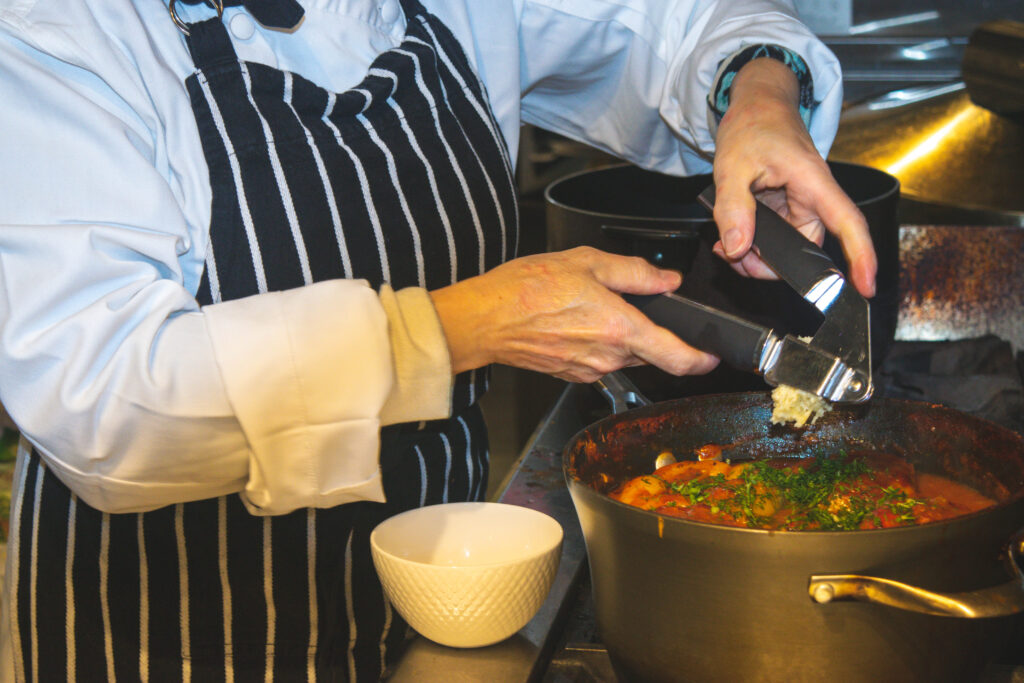
Elena’s upbringing reflects this rhythm of togetherness. She often describes how her family cooked for others and how neighbors and friends were always welcome. The heart of these traditions is connection and generosity. Meals are symbols of care and are meant to be enjoyed slowly with conversation.
Russian traditions also emphasize storytelling. Recipes are passed down not just for taste but for memory. When Elena shares stories from her childhood, guests often say they feel like they are being invited not just into a restaurant but into a cultural moment.
Let’s Learn about Russian Traditions!
1. Gatherings Around the Table (Zastolie)
One of the strongest Russian traditions is the idea of a zastolie which means a long, unrushed gathering at the table with conversation, hospitality, and shared stories. A table is never rushed, and conversation is just as important as the food being served.”
2. Welcoming Guests with Warmth
In Russian culture, a guest is treated with deep honor. Even unexpected visitors are offered tea, snacks, or a full meal. This tradition of welcoming guests with warmth is one Elena speaks about often. Growing up, anyone who stepped inside her home was greeted with something to eat and time to talk.
3. New Year as the Biggest Holiday
New Year (not Christmas) is the most important Russian celebration. Families prepare special dishes, exchange gifts, and decorate a New Year tree. Many Russian families spend days preparing for New Year because it is a celebration of hope, togetherness, and fresh beginnings.
4. Maslenitsa (The Festival of Light and Spring)
Maslenitsa is a week-long celebration marking the end of winter. It includes music, dancing, bonfires, and the tradition of sharing warm pancakes (Blini).
5. Preserving Stories Through Generations
Russian families preserve their culture through storytelling. Recipes, songs, jokes, and memories are passed down verbally rather than formally written. While Elena does still have the precious family recipe book (with real recipes she serves in the restaurant!) many of her favorite recipes exist in memories and stories.
The meaning behind hospitality
Hospitality holds a special place in Russian culture. When guests arrive, even unexpectedly, it is customary to offer tea, a small treat, or something warm from the kitchen. This comes from a belief that visitors bring good fortune and should always be honored.
Elena knows all of her regular customers by name and welcomes them as honored guests.
Elena often reflects on how this shaped her approach to her restaurant. Growing up, she saw her grandmother and mother open their home to others. That habit stayed with her. As she puts it, coming to America opened a new chapter but did not change the values she carried. She simply brought those traditions with her to Boise.
Russian hospitality is not formal or distant, but rather it is warm, modest, and sincere. The focus is on making people feel comfortable and cared for, regardless of where they come from. Many guests mention that they feel this connection the moment they step inside Alyonka. It is quiet, calm, and personal which reflects the heart of Russian traditions more than anything on the menu.
Holidays, seasons, and cultural moments
Russian traditions follow the seasons. Winter celebrations focus on warmth, light, and gathering. Spring traditions celebrate new life and renewal. Summer customs often center around outdoor meals, festivals, and foods preserved from home gardens. Fall brings harvest rituals and gatherings full of gratitude.
These patterns create a rhythm that carries through generations. Even guests who are new to Russian culture can sense this connection when they hear Elena describe her upbringing. The way she grew up honoring the seasons and celebrating with friends is a reflection of cultural values that continue even here in Boise.
Sharing traditions across continents
One reason Russian traditions resonate with so many visitors is their universal nature. People from all backgrounds understand the importance of family, gathering, and shared meals. When Elena arrived in the United States, she brought those pieces of her life with her. She explains that finding new opportunities for her family was important, but keeping her heritage alive was equally meaningful.
Her story helps guests see that Russian traditions are not fixed in one place. They can be carried and shared anywhere. They show up in how people welcome others, how they celebrate holidays, and how they tell the stories of their childhoods.
Why Boise has embraced Russian traditions
Boise is a community that values local businesses, family stories, and authentic experiences. This makes it a natural home for Russian traditions. Many guests visit Alyonka to learn something new. Others come because they crave a quiet place where they feel seen and remembered.
Visitors frequently mention how moved they are by hearing Elena’s story. They appreciate how she brings the traditions of her past into the present. Her reflections on leaving her home country and building a life in Boise help guests understand that the restaurant is not simply a dining space. It is a cultural bridge.
Russian traditions in Boise Idaho thrive because they are shared with care. They are expressed through stories, relationships, and the atmosphere created each day inside the restaurant. Guests often say the experience feels peaceful and personal which mirrors the meaning behind many Russian customs.
Learn more about cultural traditions
Russian traditions continue to evolve as families blend their past with new surroundings. In Boise, these traditions are preserved through storytelling, warm hospitality, and the values carried by people who share pieces of their heritage with the community.
To explore more cultural insights, you can read more here!.
“When guests walk through the door, I want them to feel the same comfort I felt growing up. Sharing these traditions has helped me build a home in Boise.” – Elena