
Comfort food has always reflected the lives of the people who created it. Across the world, meals have been shaped by climate, agriculture, and the need to nourish families through long winters and hard work.
While each region developed its own culinary identity, many of the foods Americans recognize as comforting today trace their roots back to Europe. Russian, French, and German cuisines each offer a different interpretation of comfort, with Russian food standing out for its heartiness and generosity at the table.
Let’s take a closer look at European comfort food and the warmth, practicality, and care that influenced it’s creation.
What Defines European Comfort Food?
European comfort food developed long before restaurants and written recipes. It was shaped in home kitchens where food needed to be filling, affordable, and capable of feeding many people.
Common characteristics include:
- Simple, whole ingredients
- Slow cooking methods
- Meals designed to be shared
- Dishes that provide warmth and nourishment
Though French, German, and Russian comfort foods differ in style, they share the same purpose: to sustain and bring people together.
French Comfort Food: Refined Warmth
French comfort food is often associated with technique and richness. Many classic French dishes rely on butter, cream, and careful preparation. While these meals can feel elegant, they are rooted in practicality.
French comfort food often includes:
- Long-simmered stews
- Cream-based sauces
- Custards and baked desserts
For American diners, French comfort food feels familiar through dishes like pot roast-style braises or creamy soups. It is comforting, but often lighter in portion and more refined in presentation.
German Comfort Food: Hearty and Structured
German comfort food reflects a colder climate and a need for sustenance. Meals were designed to provide energy for physical labor and long days.
German comfort foods commonly feature:
- Potatoes and root vegetables
- Bread and dumplings
- Roasted or braised meats
These dishes are filling and straightforward, offering comfort through structure and reliability. Many Americans recognize this style through sausage dishes, potato sides, and baked goods.
Russian Comfort Food: Hearty, Generous, and Grounding
Russian comfort food stands apart for its depth and generosity. Meals are often built around soups and dishes meant to warm the body from the inside out. Russian cuisine places strong emphasis on hospitality and sharing, especially during colder months.
Unlike French or German food, Russian comfort food often begins with soup. This sets the tone for the meal and prepares guests for heartier dishes to follow.
Russian Comfort Classics Americans Instantly Understand
Even for diners new to Russian cuisine, many comfort dishes feel instantly familiar. The flavors are approachable, and the portions are meant to satisfy. Lucky locals in Boise, Idaho find that Russian satisfaction at the award-winning Alyonka Russian Cuisine.
Some of the most recognizable comfort foods served at Alyonka include:
- Borscht, a beet-based soup filled with garden vegetables and served with sour cream
- Chebureki, crisp turnovers filled with seasoned meat or vegetables
- Pelmeni, handmade dumplings served with sour cream and dill


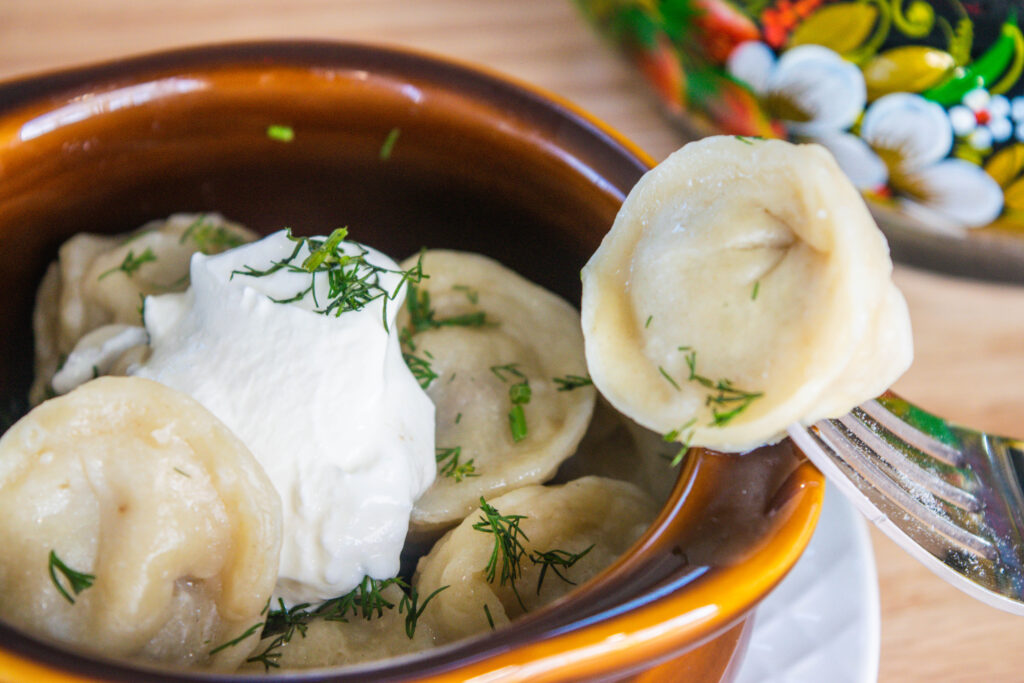
These dishes align closely with what Americans consider comfort food. They are warm, filling, and meant to be enjoyed slowly.
Why Soup Matters So Much in Russian Food Culture
In Russian homes, soup is not a side dish. It is a foundation. Historically, soup provided nutrition and warmth using affordable ingredients. It also allowed families to feed many people at once.
Borscht, in particular, became a staple because it combined vegetables, broth, and acidity in a way that kept well and reheated beautifully. This practicality made it ideal for daily meals.
At Alyonka, borscht reflects that same purpose. It is comforting without being heavy and deeply satisfying, especially during colder seasons.
Comfort Food as a Cultural Experience
European comfort food is not just about eating. It is about how meals are experienced. Russian food culture encourages guests to linger, talk, and share.
This philosophy shapes the Alyonka dining experience. Meals unfold at a natural pace, allowing guests to enjoy each course without rushing. Comfort food feels more meaningful when it is paired with time and attention.
The broader cultural context of this experience has even been highlighted nationally. Alyonka has been described as:
“A slice of Eastern European culture.” – Diners, Drive-Ins & Dives
That recognition reflects the authenticity behind the food and the traditions it represent
Why European Food Seekers Gravitate Toward Russian Cuisine
European food seekers often start with French or German dishes because they are familiar. Russian cuisine offers the next step, delivering the same comfort with greater depth and warmth.
Russian dishes emphasize soups and dumplings, use simple ingredients in filling ways, and encourage sharing and lingering.
For diners curious about European comfort food beyond the usual options, Russian cuisine provides something both new and deeply grounding.
A Comfort Tradition That Endures
European comfort food has survived centuries because it works. It nourishes, comforts, and brings people together. Russian comfort food, in particular, reflects resilience, hospitality, and care.
At Alyonka, these traditions are preserved in every bowl of soup and every handmade dumpling. The food is not meant to impress quickly. It is meant to stay with you.