
In Russian cuisine, few ingredients are as iconic as beets. Known for their deep color, earthy sweetness, and versatility, the beet has been a staple in traditional dishes for generations. From comforting soups to vibrant salads, beets play a central role in what many people recognize as classic Russian food.
For those new to Eastern European cuisine, beets may seem like a simple vegetable. But in Russian cooking, they represent much more: history, resourcefulness, and a deep connection to seasonal eating.
Why Beets Are So Important in Russian Food
The prominence of beets in Russian cuisine is closely tied to geography and climate.
Russia’s long, cold winters made it essential to rely on ingredients that could be stored, preserved, and used over time. Root vegetables like beets became a natural choice because they could withstand harsh conditions and remain edible for months.
This made beets a dependable ingredient during times when fresh produce was not readily available. Over time, they became deeply embedded in traditional recipes and everyday meals.
Today, beets are still a defining element of Russian food culture, valued not only for their practicality but also for their flavor and visual appeal.
A History of Preservation and Tradition
Before modern refrigeration, preserving food was a necessity. In Russian households, techniques like pickling, fermenting, and root cellaring were commonly used to extend the life of vegetables. Beets were especially well-suited for these methods. They could be stored whole, grated into salads, or incorporated into soups that could be reheated and shared over several days.
This tradition of preservation shaped many of the dishes still enjoyed today. It also contributed to the layered, rich flavors that define Russian cuisine. Beets are not just an ingredient; they are part of a culinary system built around sustainability and resourcefulness.
While beets are often associated with winter meals, they are truly a year-round ingredient in Russian cooking. In colder months, they appear in warm, hearty dishes like soups and baked sides. In warmer seasons, they are used in chilled salads and lighter preparations.
This versatility is one of the reasons beets have remained so popular across generations. They can adapt to different seasons while still maintaining their distinctive flavor.
Traditional Russian Dishes Featuring Beets
Beets appear in some of the most recognizable dishes in Russian cuisine.
Borscht
Perhaps the most famous example is borscht, a rich, flavorful soup that highlights the natural sweetness of beets.
This dish is both comforting and complex, often made with a combination of vegetables, broth, and herbs. Each recipe varies slightly, but the beet remains the star. In fact, when Guy Fieri from the hit Food Network show “Diners, Drive-Ins and Dives” visited Alyonka, our borscht made a star appearance!
If you’re curious about what makes this dish so special, you can explore more in this guide to borscht in Boise and what to know before trying it.
Shuba (Herring Under a Fur Coat)
Another well-known Russian dish is Shuba, a layered salad that combines beets with potatoes, carrots, eggs, and fish.
The beets provide not only flavor but also the vibrant color that defines the dish. It’s often served during holidays and celebrations, making it both a visual and cultural centerpiece.
Beet Salads and Sides
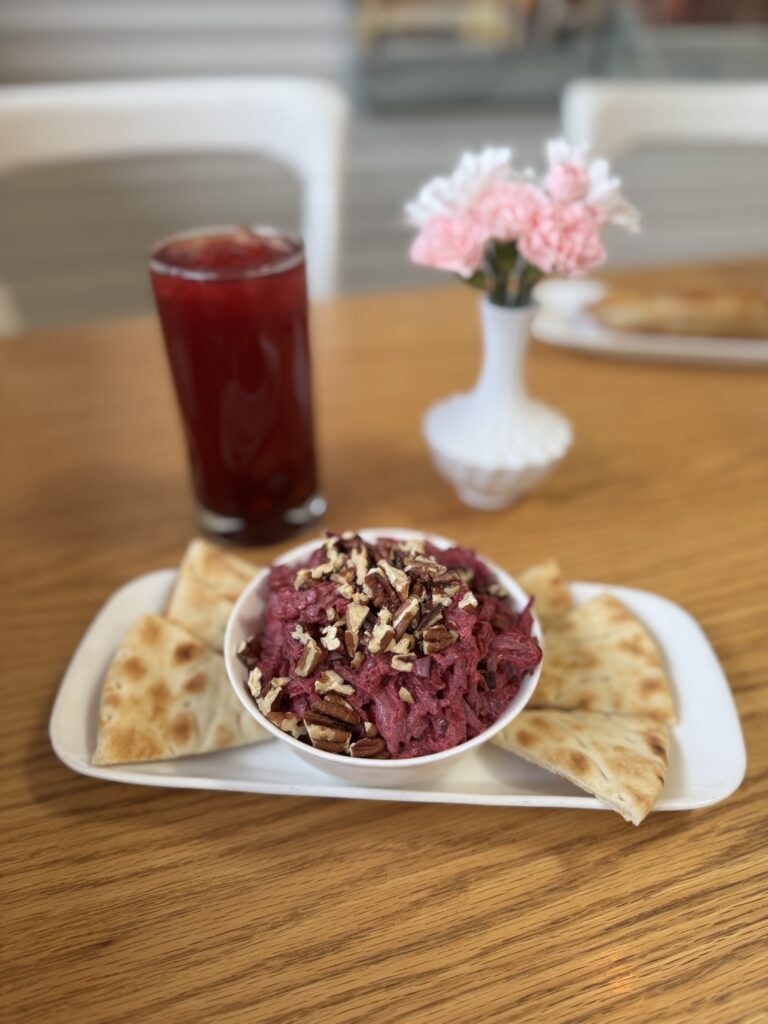
Simple beet salads are also common, often paired with garlic, mayonnaise, or oil-based dressings.
These Russian dishes highlight the natural flavor of the beet while offering a lighter, more everyday option.
While beets are strongly associated with Russian cuisine, they are also used in many other cultures across Eastern and Central Europe.
Countries like Ukraine, Poland, and Lithuania all feature beet-based dishes in their traditional cooking. This shared use reflects similar climates and agricultural practices across the region. Despite these variations, Russian cuisine has developed its own distinct approach, often emphasizing hearty combinations and layered flavors.
The Flavor Profile of Beets
One of the reasons beets are so beloved is their unique flavor.
They offer a natural sweetness balanced by an earthy depth, making them suitable for both savory and slightly sweet dishes.
When cooked, beets become tender and rich, absorbing the flavors of surrounding ingredients. This makes them an ideal base for soups, salads, and side dishes.
Their bold color of beets also adds visual appeal, turning even simple dishes into something memorable.
Experiencing Beet Dishes in Boise
For those interested in trying authentic Russian dishes featuring beets, Alyonka Russian Cuisine offers a variety of traditional options.
From soups to salads, the menu reflects the same cultural traditions that have shaped Russian cooking for generations. Whether you’re trying borscht for the first time or discovering a new favorite dish, beets provide a flavorful introduction to the cuisine.
Beets represent a connection to history, a response to climate, and a tradition of making the most of what is available. Over time, beets have become one of the most recognizable ingredients in Russian food.
Beets’ ability to adapt to different dishes, seasons, and cooking methods ensures that they remain relevant in both traditional and modern kitchens. From hearty soups like borscht to colorful salads and sides, they continue to play a central role in some of the most beloved dishes.