
Long before modern sodas and bottled drinks filled store shelves in Russia, there was kvass: a traditional fermented beverage made from bread that has been enjoyed across Eastern Europe, the Balkans and Russia for centuries. Slightly fizzy, lightly sweet, and deeply tied to everyday life, kvass is one of the oldest and most recognizable drinks in this culture.
For many, kvass is not just a drink. It is a memory, a feeling, and a reminder of summer.
For Elena, chef and owner of Alyonka Russian Cuisine, kvass brings back a very specific memory.
She remembers walking down a warm street, the air filled with the quiet hum of summer, and stopping at a small vendor stand on the corner. There, a large barrel sat shaded from the sun, filled with freshly made kvass. People would line up with cups in hand, waiting for their turn.
When it was hers, the vendor would fill a glass straight from the barrel, cool, slightly foamy, and refreshing. It was simple, but unforgettable.
“It tasted like summer,” she recalls.
That experience captures something essential about kvass. It is not just about flavor, but about place, time, and tradition.
The History of Kvass
Kvass has been part of Russian life for over a thousand years, with records of its consumption dating back to medieval times. It was originally made in homes using simple ingredients, primarily rye bread, water, and natural fermentation.
Because the ingredients were so accessible, kvass became a drink for everyone. It was enjoyed by farmers, workers, and families alike, often consumed daily as a refreshing and nourishing beverage.
Unlike many modern drinks, kvass was not created for indulgence. It was practical, hydrating, and naturally fermented, making it both affordable and widely available.
Over time, kvass became deeply embedded in Russian culture, evolving from a household staple to a symbol of tradition. At the heart of kvass is fermentation: a process that has long been central to Russian cooking and preservation. To make kvass, bread is soaked in water and combined with sugar and sometimes yeast. As the mixture ferments, it develops its signature flavor: slightly tangy, mildly sweet, and gently carbonated. The result is a drink that is both refreshing and complex, with a taste often described as somewhere between dark bread and a light, non-alcoholic beer.
Fermentation has always played an important role in Russian cuisine, not only in drinks like kvass but also in foods like pickled vegetables and sourdough breads. These methods reflect a tradition of working with natural processes to create flavor and preserve ingredients.
Kvass is one of the most approachable and widely enjoyed examples of this tradition.
Summer Street Vendors and Everyday Life
One of the most iconic images of kvass in Russia is the street vendor.
During the summer months, large tanks or barrels of kvass would appear on street corners, in parks, and near busy walkways. These vendors served the drink fresh, often pouring it directly into reusable cups for customers.
The setup was simple, including a large container, a tap, and a steady stream of people stopping by for a refreshing break from the heat.
This scene became a familiar part of summer life. It was not unusual to see families, workers, and children all gathered around the same stand, enjoying a moment of pause in their day. Kvass vendors represented more than convenience. They were part of the rhythm of the season, offering something cold, familiar, and deeply connected to tradition.
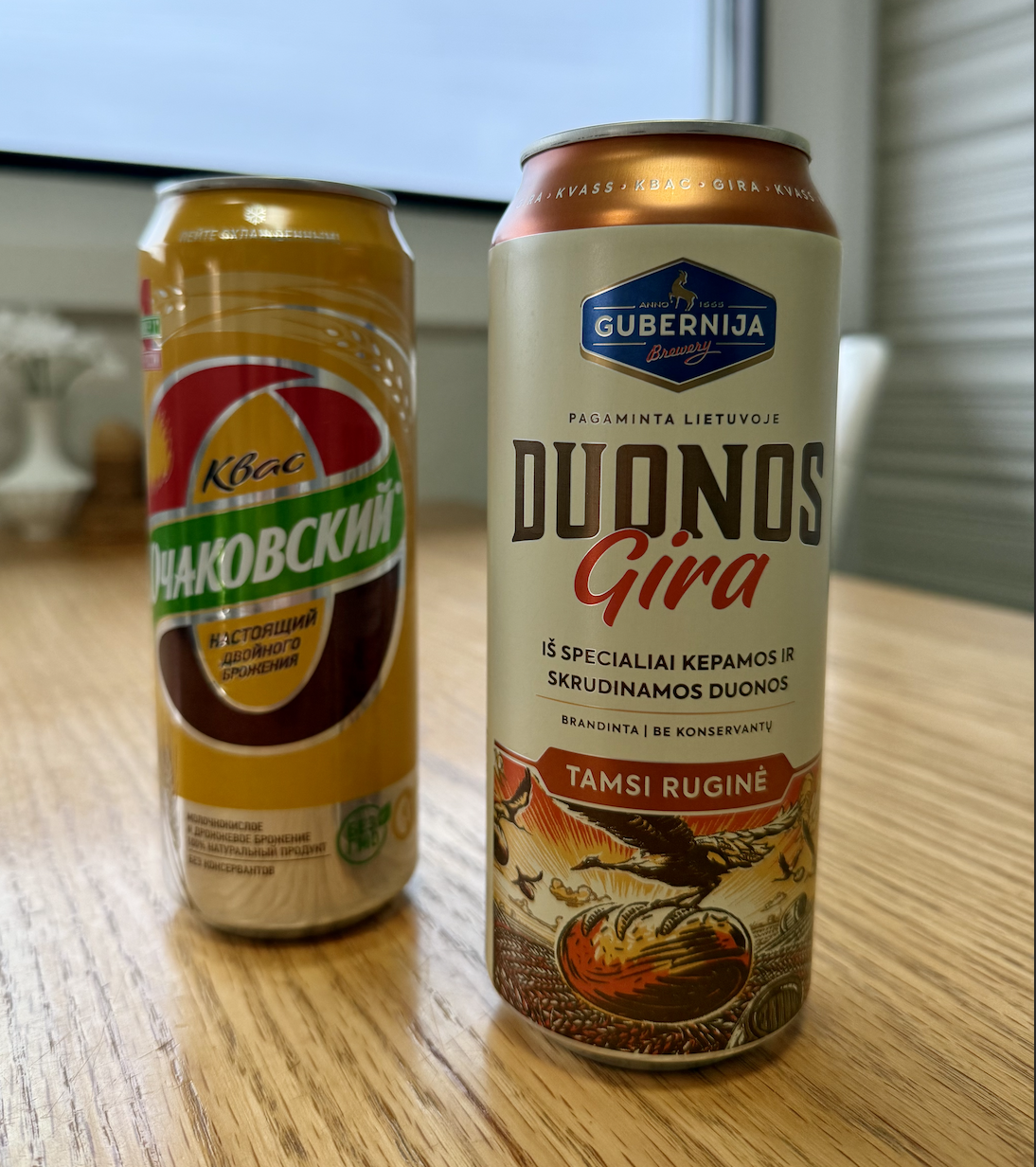
Today, while modern packaging has made kvass more portable, the image of the street barrel remains one of the most nostalgic symbols of Russian summers.
What Kvass Tastes Like
For those trying kvass for the first time, the flavor can be surprising.
It is slightly sweet, but not sugary. It has a mild tang from fermentation, along with a subtle хлебный (bread-like) taste that makes it distinct from other beverages. There is also a light fizz, which adds to its refreshing quality, especially on warm days.
Because it is naturally low in alcohol, typically less than one percent, kvass is considered a non-alcoholic drink and is enjoyed by people of all ages.
Its unique flavor profile is part of what makes kvass so memorable. It does not try to mimic anything else. Instead, it stands on its own as a reflection of its ingredients and tradition.
Kvass at Alyonka
At Alyonka Russian Cuisine, kvass is part of the effort to bring authentic flavors and experiences to the table.
Rather than recreating it in-house, Alyonka imports kvass to ensure that guests can enjoy a version that stays true to its roots. This allows visitors to experience the same refreshing, traditional drink that has been enjoyed for generations.
For those who have never tried kvass before, it offers something different, something that connects directly to Russian culture and history.
If you’re planning a visit to Boise, kvass is a perfect addition to a midday meal. Whether paired with savory dishes or enjoyed on its own, it adds a refreshing and authentic touch.